Purity culture taught us that my divine birthright was to be a wife, then a mother. Disney taught us that Prince Charming is coming to save us, and if you’re lucky, you’ll live happily ever after. This very backwards, fucked facade of capitalism puts romantic love on a pedestal, making the goal of partnership, then a nuclear family, worthy of putting community, friendship, and family on the back burner.
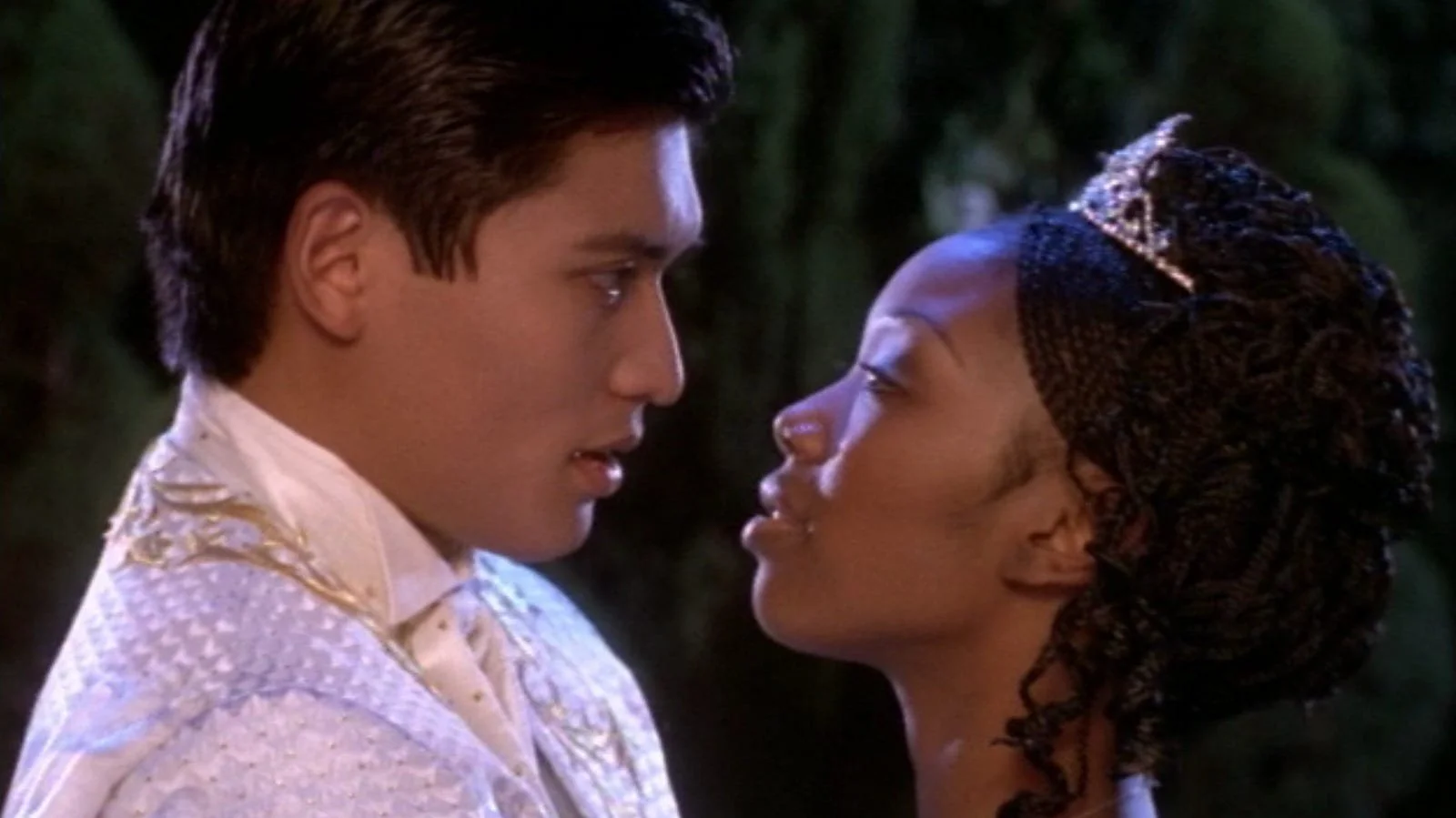
The only Prince Charming & Cinderella we acknowledge (Rodgers & Hammerstein's Cinderella, 1997)
So what happens when we decolonize our ideas around relationships and find ourselves back to square one at the idea of romantic partnership and its ancient role within our development of community, spiritual elevation, and destiny?
–
My first introduction to Ifa and African Spirituality was the concept of Egbe spouses. It was a wild rabbit hole to fall down, as this was one of the many ways African Spirituality is demonized through the fear of the unknown. I’ll let you do your own research on this and read through folk’s stories. During the same time in which I was learning about Egbe spouses, I was also going through a magical time of re-activation, lol, in which I started to encounter spirits of the sort and wild ass dreams. This was not the first time in my life that I was experiencing this; however, this time around, I had a new language to make sense of everything.
Luckily, I also had counsel from someone who shared their experiences with interacting with spirits. From wet dreams that felt so real and waking up with bodily fluids in the bed that were not their own, to feeling unfamiliar presences in the home, they shared how it was essential not to be afraid, as spirits with malicious intent thrive on fear.
Many years later, now initiated into the energy of Egbe, I can recognize that time in my life as my Egbe officially introducing themselves as a strong, protective force over my life. Throughout the years, I’ve had my own experiences with a spiritual spouse that has manifested in very different ways from others’ negative sentiments. My spiritual spouse has, oddly enough, taught me about partnership, how expansive its energy can be, and when done right, how it can support us in divine alignment with our personal destinies.
I’m a lover girl at heart, call it conditioning, divine knowing - call it what you want, I don’t care. When it comes to liberation work as well as the progression of the Black community, I simply CANNOT care, or get distracted by how our version of love and partnership has been co-opted, colonized, watered down, and given such bad PR. Our ancestors experienced beautiful relationships, and I truly do believe healthy, soul-quenching love in all forms is our birthright.
Beautiful friendships (that make it past the Miami group trip for the women and involve healthy emotional intimacy for the men) are our birthright.
Beautiful marriages (that grandma didn’t just suffer in silence through because she wasn’t able to own a bank account, credit, or property without a husband) are our birthright.
Beautiful communities (that champion accountability, joy, and self-actualization) are our birthright.
I remember growing up as a Christian, feeling how God is love, and knowing that I am therefore love, with the task of loving others as the core of my religion. In college, I remember reading bell hooks’ All About Love and sitting with the defeated, radicalized desire to, at minimum, marry a Blackity Black man, and have some Blackity Black babies who love themselves, love the skin they’re in, and know who they are. It would be a raindrop of love in an ocean of noise that did everything in its power to teach otherwise, but anything worth doing is worth doing with intention.
Now, after years of studying and being in relationship with Egbe and their energy, I’m currently in a season of fascination with their role within self-actualization. Egbe are known as our heavenly mates with whom we made a pact in heaven to hold us accountable as we figure out this thang called life. This energy can manifest as people who feel like home in the physical realm, like we’ve known them in every lifetime, and who just get us even though we’ve barely met. They are mirrors to our own destiny, as iron sharpens iron, providing a shoulder to lean on and a friend, partner, or family member to keep us on the straight and narrow.
But what if, outside of all of that, Egbe was also an incredibly serious, poignant, life-or-death energy that was hellbent on moving mountains for you to be within your destiny? Using unusual ways to get our attention, with a “fuck what them other folks are saying, it’s just you and me” type of energy? When I think about Egbe (often associated with children and child-like energy), I sometimes liken its energy to the piercing sound of a child’s cry, demanding attention, unfiltered, without a care outside of having its needs met. With the vivid dreams, spiritual gifts, possessions, manifestations of physical spirits, etc, sometimes the ways Egbe communicates feel exactly like that; like the choice of delaying or fucking around with our destiny is not an option. They move mountains to get the job done, so we can come home (back to heaven), and all be together again.
So applying this same energy to the concept of divine partnership through the energy of Egbe, I’m going to pause on this topic and leave you with different examples in which divine partnership served as a vehicle to excel and up the ante for an individual being in alignment with their destiny.
Enjoy <3
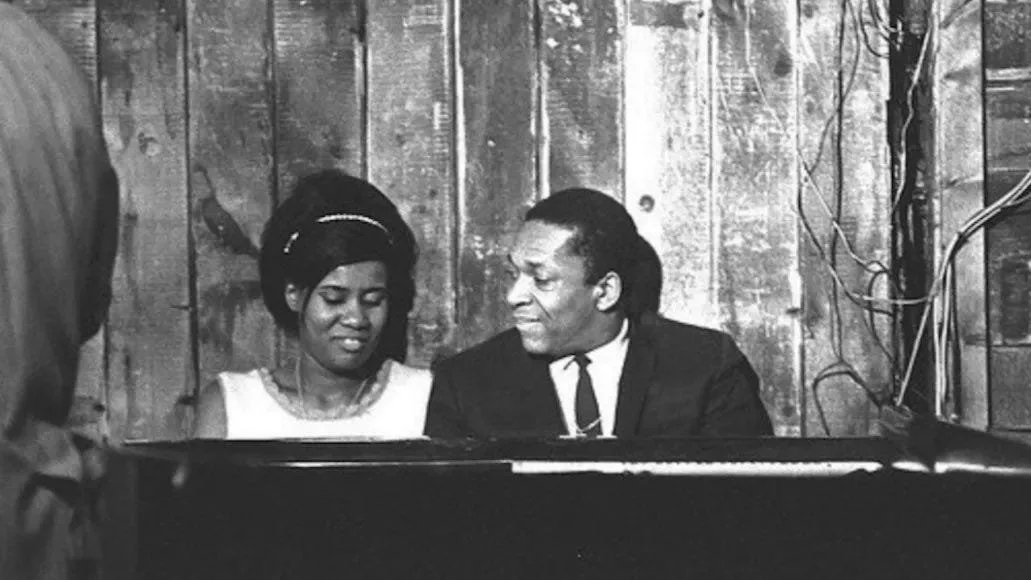
John & Alice Coltrane
They were together for seven years before he died of liver cancer (didn’t go to the hospital, MEN).
Both were extremely talented, naturally gifted musicians before meeting, who then went on to play together. Married and had three kids, plus a bonus baby.
John created A Love Supreme, which some say is the greatest jazz album of the modern period, after spending time in solitude for 5 days with the support of Alice. SHE held him down as he cocooned in his creative vortex, she held down the house, the kids, and created space for him to do what was needed to create this album.
His death did a number on her, but Alice survived the initiatory fire and transcended her title as John’s wife. She was an active healer, practicing energy work and laying of the hands while still creating out-of-this-world music. She went on to establish an Ashram in the mountains of California.
Alice’s music specifically is interesting as fuck, with the harp as one of her main instruments, and John’s influence is vast; their relationship pushed each of them deeper into God, into sound, and into the liberation of Black people through frequency and vibration.
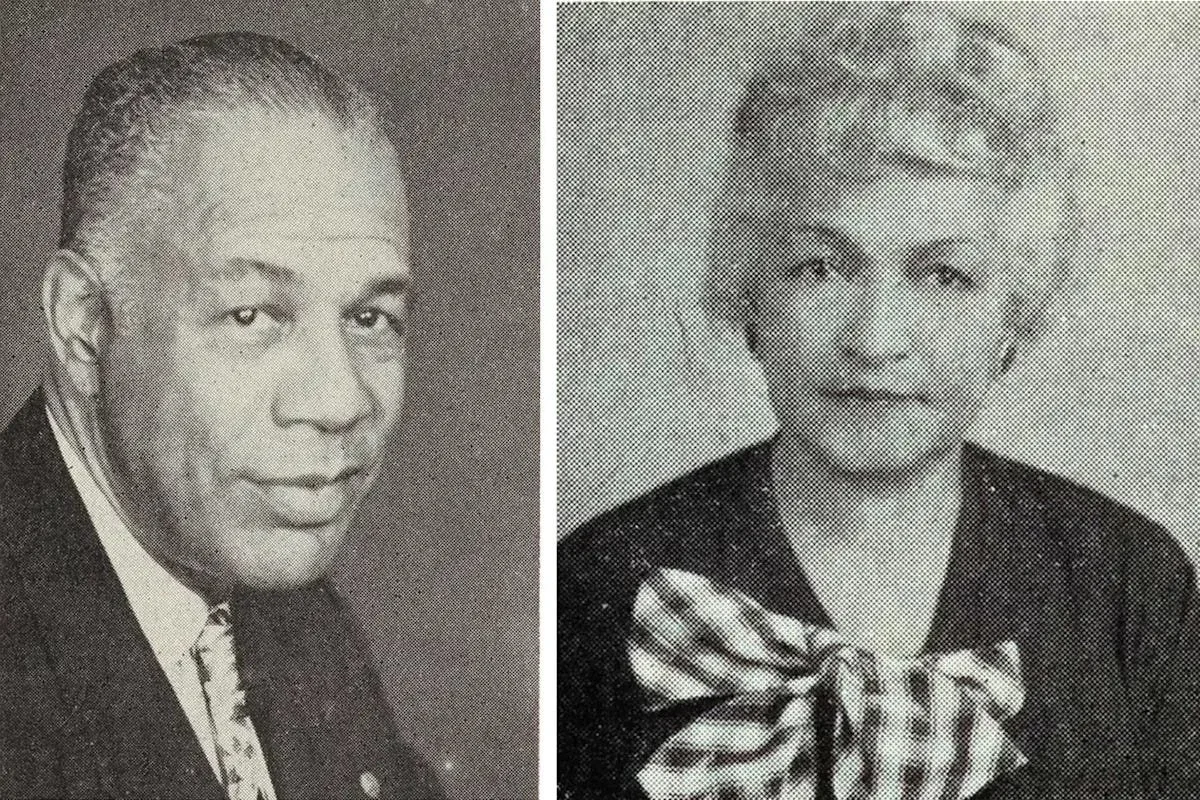
Victor & Alma Green
Victor Hugo Green (Nov 9, 1892 - Oct 16, 1960) Alma Green (1889 - 1978)
Victor is the father of the The Negro Motorist Green Book, a powerful undercurrent that guided Black people through Jim Crow and beyond. He was a postal worker and utilized his network to learn about more Black owned establishments to include in each volume, which was an inspiring example of how destiny can find us in what we may consider the mundane.
Alma was a dressmaker and traveled/moved often within the Great Migration efforts. It was Alma’s family that they went to see in Virginia that sparked the creation of this book because of the violence they encountered on that trip. Victor died a couple of years before the Civil Rights Act was signed into law, solidifying how important the Green Book was to the progression of Black folks in the United States.
When Victor passed, it was Alma who continued publishing books and kept operations running, and yet she is barely mentioned in most articles. Their relationship always inspired the idea of choosing a partner wisely because they could be the end-all to-be-all of how our legacies are championed after we transition.
In Lovecraft Country, Unc & Aunty portray their own version of Victor and Alma. We see the interconnectedness of her genius, his privilege as a man to move more freely, and their ability to explore and create solutions to the dangers that existed in the 1930s.
Victor and Alma Green had such a profound mark on my introduction to ancestor veneration and what it means to be claimed by and venerate ancestors that aren’t blood-related. Through my experiences with traveling, as well as my family’s, I give thanks to the roads they opened for us to travel domestically.
Yoruba Richen created a documentary about the Green Book that used to be available on Amazon. Her storytelling was beautiful in how she highlighted the Green Book being more than just a way to navigate the Jim Crow South. Until I can find records of the movie, following the bread crumbs of her name and work is a good place to start your research.
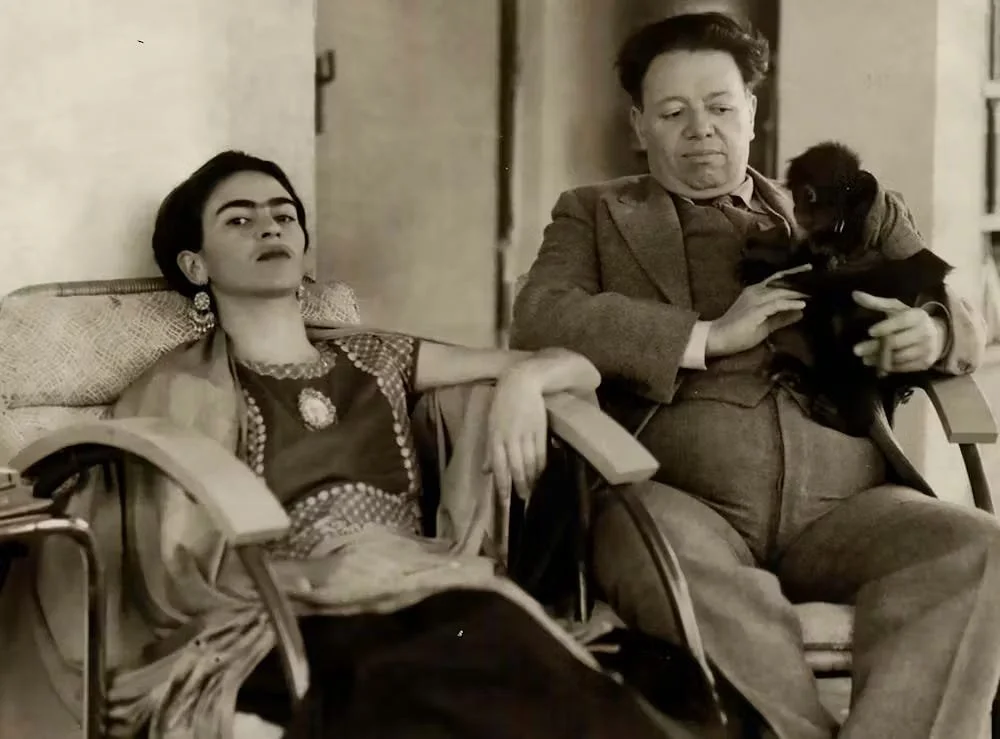
Frida Kahlo & Diego Rivera
Diego Rivera (Dec 8, 1886 - Nov 24, 1957), Frida Kahlo (Jul 6, 1907 - Jul 13, 1954)
These two are famous Mexican artists who reflected bold political and social commentary in their work.
They had a crazy age dynamic, records of a toxic marriage, and yet, some of their most profound work was created together. Frida’s self-portraits speak to the power of emoting one’s curious perspective of the world better than any words can. Diego kept his foot on folks’ necks through his ability to fit endless narratives into his murals. To this day, Frida’s home in Mexico City is a spectacle - an event you have to book tickets for weeks out in advance.
She survived freak accidents (PLURAL, as in more than one), polio, drugs, and God knows what else. He was a womanizer who cheated on his wife with Frida, setting the stage for the bullshit, on top of a violent temper. There’s controversy about their work, specifically Frida’s allegations of appropriation. I do not romanticize their relationship, but rather examine how it served as a vehicle for them to be passionately inspired artists.
Can I just add that Frida is also an interesting case study in choosing certain destinies; some criticize her worldwide fame compared to other incredibly talented artists of the time who aren’t recognized to the scale she is. If we chose our Ori (destiny) in heaven before coming to earth, she really is an example of some people just choosing really poppin, people facing destinies with influence, vs others who didn’t.
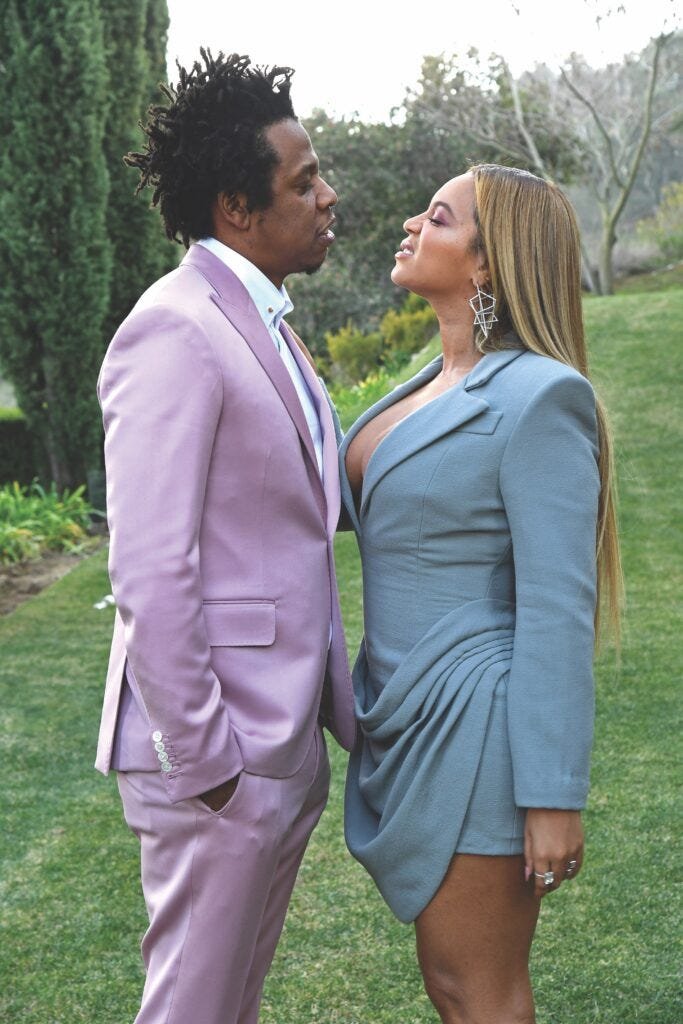
Beyonce & Jay-Z
Another complex, public relationship that we see acting within its own lane, having its own purpose. Beyonce was a force to be reckoned with BEFORE her solo career, with a stage presence and work ethic that opened the way to a long and impactful career. Since Reasonable Doubt, Jay-Z is an absolute force within Hip Hop.
In the joint album The Carters, we see how their individual bodies of work (most recent: Lemonade, 2016, and 4:44, 2017) gave language to the intricacies of relationships. We don’t know these people’s lives or how much truth actually resonates through their work, nor should we put them on a pedestal high enough to care. Especially when these capitalistic billionaires sit at tables with other figures in our society who could give a rat’s ass about the global majority. We do know, however, that the pen game is NASTTYYY and that their art that articulates spicy time, being on yo shit, hurt, betrayal, love, forgiveness, legacy building - very human experiences, gives us language to help process our own understanding of life. This is the power of art.
They put their union to work as well. At first, Lemonade was only available on Tidal, the streaming platform he created and owned. They tour together and are regularly featured in each other’s work. Their relationship to each other and capitalism is no shining example, but the individual talent is undeniable, and their being together has only amplified their ability to reach new heights within their careers.
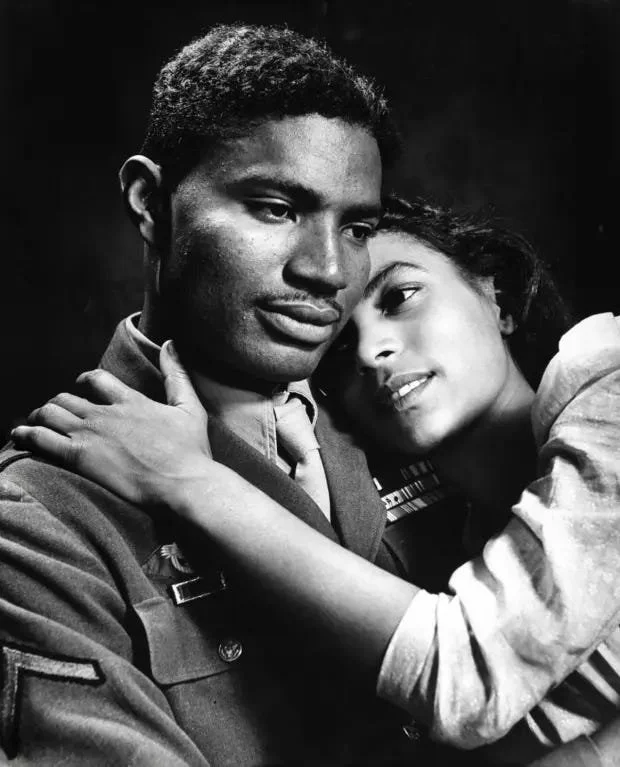
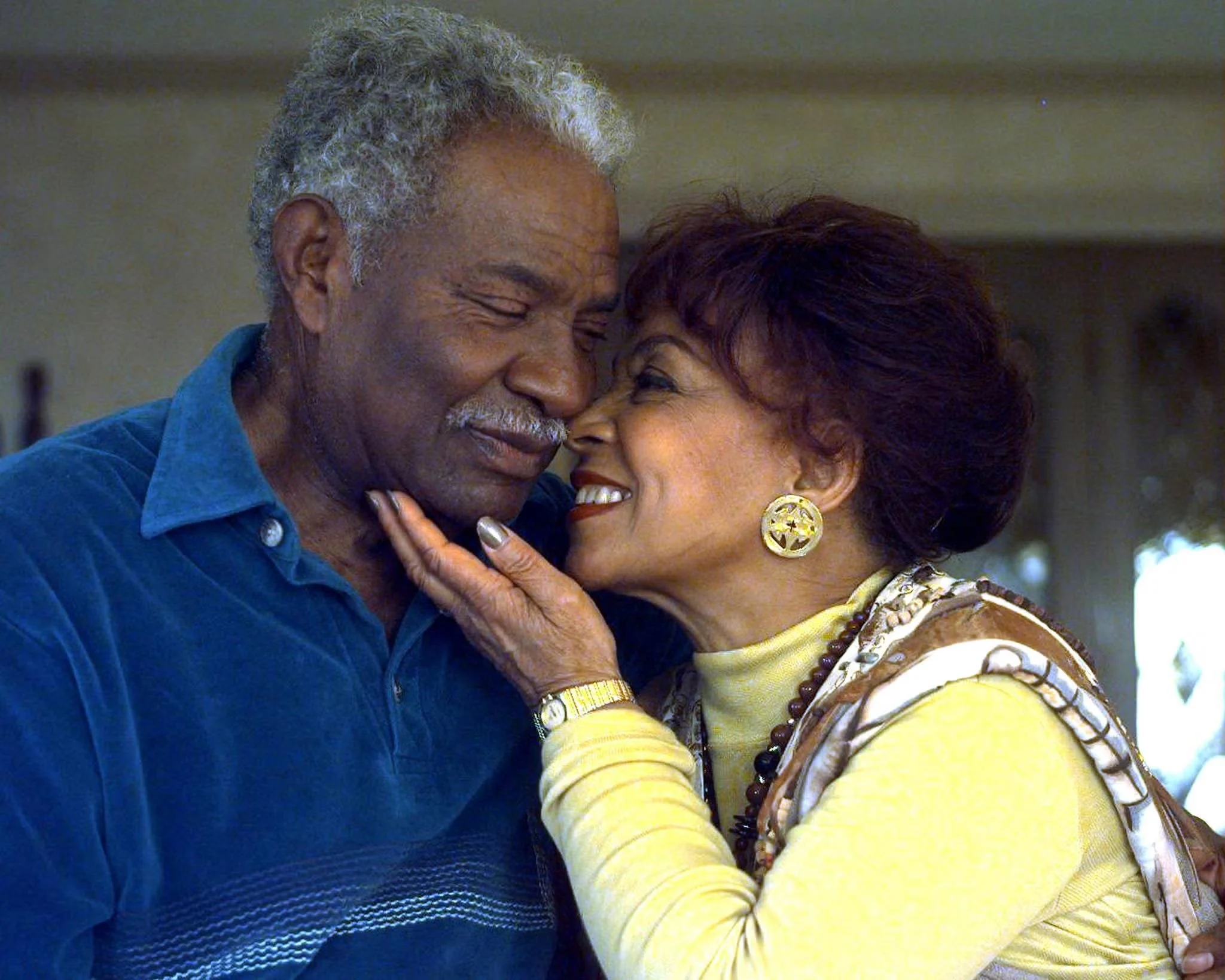
Ruby Dee & Ossie Davis
Ruby Dee (Oct 27, 1922 - Jun 11, 2014) & Ossie Davis (Dec 18, 1917 - Feb 4, 2005)
Married for 57 years, their union is something I wish I were old enough to witness for myself. They are pillars of divine partnership within Black American history. Both artists, activists, and highly decorated educators, in researching them - it’s like there is no Ruby without Ossie, and no Ossie without Ruby.
They were outspoken about how their marriage was a creative collaboration and a sacred commitment to the Black struggle. Again, no one is putting them on a pedestal, but in a world of popping balloons, platforms built off the degradation of transactional Black women and “high value” Black men who think submission is a standard trait of a “good woman” instead of a preferred kink (yes, kink) - sometimes it’s nice to be reminded of how easy partnership can be.
And Ruby and Ossie were both fine af! Their partnership is an example of how much time we are truly wasting in the dating stage nowadays because folks have made the relationship the thing to strive for, instead of using the relationship as a way to create more ease, access to resources, and shared efforts towards their individual destinies.
Also also, babyyyy, Ruby was WORKING! At 85, she had a role in Jungle Fever (1991). Ossie was WORKINNNNNGGGG, at 87, and a year prior to transitioning, he had a role in an episode of The L Word drama series. Their relationship did not deter them from their work. Ossie’s Broadway debut happened at age 29 in the title role of Jeb in 1946 - that’s a documented 58-year-long career!!
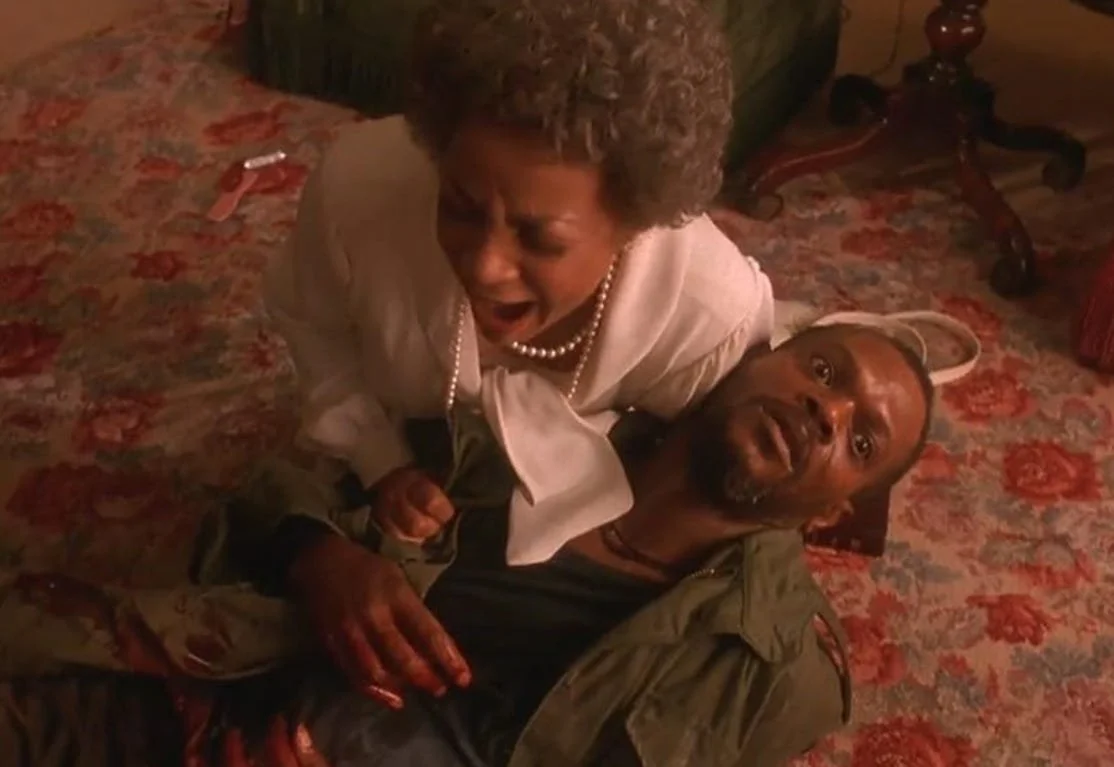
(Jungle Fever, 1991)
Ruby’s Broadway debut was in 1943 at age 21 through the play South Pacific. That’s at minimum, a documented career of 48 years! They marched along King in Washington and consistently showed a united front in all that they did, public-facing, but it never deterred them from their love of creating art. So the call to action here is to GET ON YOUR SHIT.
The universe conspires in our favor, compounding the efforts we put forth towards being in alignment with our destinies. Our Egbe Orun are no different, ensuring we have resources, the perfect partners, and communities around us to walk in alignment with our destinies. We were sent here to be so much more than someone’s husband, wife, or partner, so I implore you to take this with you in any and all relationships moving forward. I’m here to help you understand what you’re here to do in this lifetime through my coaching business, but in the meantime, I leave you with these questions:
Who in your life encourages you to do the things you love?
Who in your life can you share exciting ideas and visions with?
Who in your life can you trust to add perspective to your work?
Who in your life can you trust to pray for you when you don’t have the strength to pray for yourself?
Who brings you joy?